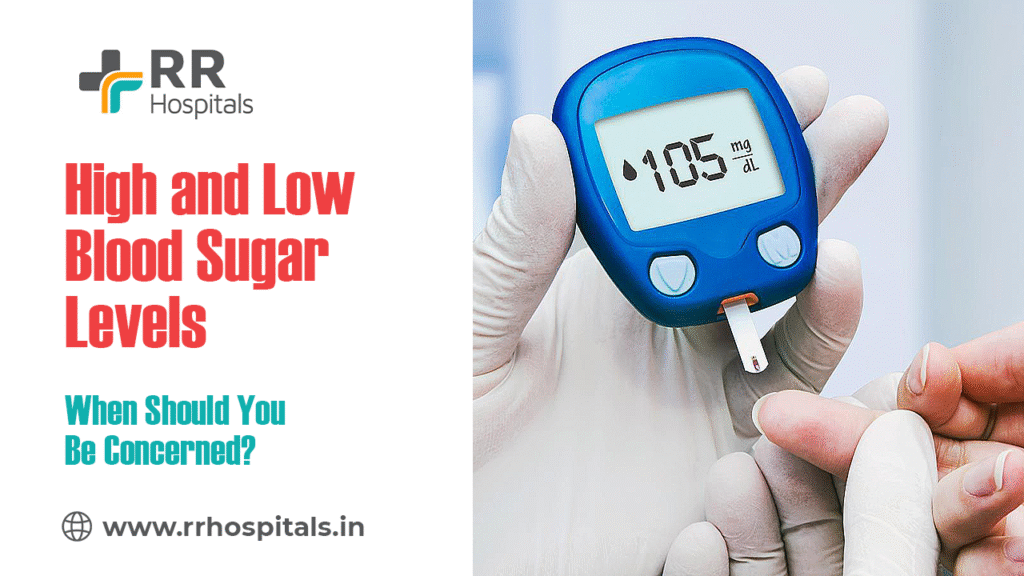
High & Low Blood Sugar Levels: When to Worry
Maintaining a healthy blood sugar level is essential for overall health and well-being. Blood sugar, also known as blood glucose, is the body’s main source of energy. It comes from the food we eat and is regulated primarily by insulin and other hormones.
When blood sugar levels rise too high or drop too low, the body starts showing warning signs that should not be ignored. Occasional fluctuations may happen due to diet, stress, exercise, or illness, but persistent changes can indicate an underlying health condition such as diabetes.
Understanding the difference between high and low blood sugar levels can help you recognize symptoms early and take appropriate action.
What Is Blood Sugar Level?
A blood sugar level refers to the amount of glucose present in the bloodstream at any given time. Glucose provides energy to cells and supports vital body functions.
Normal blood sugar ranges may vary slightly depending on age and health conditions, but generally:
- Fasting blood sugar: 70–99 mg/dL
- Before meals: 80–130 mg/dL
- Two hours after meals: Below 140 mg/dL
If these values regularly fall outside the normal range, medical evaluation may be needed.
Understanding High Blood Sugar (Hyperglycemia)
High blood sugar, medically called hyperglycemia, occurs when glucose builds up in the bloodstream instead of entering cells for energy.
This commonly happens when:
- The body doesn’t produce enough insulin
- Cells become resistant to insulin
- Diet contains excessive sugar or carbohydrates
- Physical activity is low
- Stress or illness affects hormone levels
Common Symptoms of High Blood Sugar
Recognizing early symptoms can prevent complications.
Signs may include:
- Frequent urination
- Increased thirst
- Constant hunger
- Fatigue
- Blurred vision
- Headaches
- Slow healing wounds
- Unexplained weight loss
If your blood sugar level remains elevated for extended periods, it may damage blood vessels, nerves, kidneys, eyes, and the heart.
When Should You Be Concerned About High Blood Sugar?
Occasional spikes after meals may not always indicate a serious issue. However, you should seek medical attention if:
- Fasting blood sugar repeatedly exceeds normal range
- Symptoms continue for several days
- You experience excessive thirst and dehydration
- Vision becomes noticeably blurry
- You develop nausea or vomiting
- Your glucose readings remain consistently high
Persistent high blood sugar level can increase the risk of diabetes-related complications if left unmanaged.
Understanding Low Blood Sugar (Hypoglycemia)
Low blood sugar, known as hypoglycemia, occurs when glucose drops below the level needed for normal body function.
This condition is more common among people taking diabetes medication but can also occur in individuals without diabetes.
Possible causes include:
- Skipping meals
- Excessive exercise
- Certain medications
- Drinking alcohol without food
- Hormonal imbalances
- Medical conditions affecting metabolism
Symptoms of Low Blood Sugar
Low blood sugar often develops quickly and requires immediate attention.
Common warning signs include:
- Shaking
- Sweating
- Dizziness
- Hunger
- Rapid heartbeat
- Irritability
- Difficulty concentrating
- Anxiety
- Weakness
- Confusion
In severe situations, low blood sugar can lead to fainting or loss of consciousness.
When Should You Be Concerned About Low Blood Sugar?
Seek medical attention if low blood sugar episodes become frequent or severe.
Warning situations include:
- Repeated dizziness
- Difficulty speaking
- Confusion or unusual behavior
- Loss of consciousness
- Symptoms that do not improve after eating
Ignoring low blood sugar level episodes may increase the risk of accidents and serious health consequences.
High vs Low Blood Sugar: Key Differences
Although both conditions involve abnormal glucose levels, their symptoms and treatment differ.
| High Blood Sugar | Low Blood Sugar |
| Increased thirst | Sweating |
| Frequent urination | Shaking |
| Blurred vision | Dizziness |
| Fatigue | Hunger |
| Slow healing | Rapid heartbeat |
| Long-term development | Sudden onset |
Recognizing whether your blood sugar level is too high or too low helps determine the correct response.
What Causes Blood Sugar Fluctuations?
Several daily factors can influence your blood sugar.
Diet Choices
Foods high in refined carbohydrates and sugar may raise glucose quickly.
Physical Activity
Exercise helps regulate blood sugar and improve insulin sensitivity.
Stress
Stress hormones can increase blood glucose production.
Sleep Quality
Poor sleep may affect insulin function.
Medications
Certain medicines can alter blood sugar level regulation.
Illness
Infections and medical conditions often impact glucose balance.
How to Maintain Healthy Blood Sugar Levels
Healthy lifestyle habits can support stable glucose control.
Follow a Balanced Diet
Include:
- Whole grains
- Vegetables
- Lean protein
- Fruits in moderation
- Healthy fats
Limit:
- Sugary beverages
- Processed foods
- Excess sweets
Stay Active
Regular movement helps the body use glucose effectively.
Monitor Your Levels
People at risk should check their blood sugar level as advised by healthcare professionals.
Stay Hydrated
Water supports normal metabolic function.
Avoid Skipping Meals
Eating consistently may reduce sudden drops.
Manage Stress
Simple stress-management practices can support healthier glucose regulation.
Who Is More at Risk?
Some individuals have a greater chance of developing blood sugar issues.
Risk factors include:
- Family history of diabetes
- Overweight or obesity
- Sedentary lifestyle
- High blood pressure
- Poor dietary habits
- Increasing age
- History of gestational diabetes
Understanding your risk can encourage earlier monitoring and prevention.
Can Blood Sugar Changes Be Prevented?
Not all cases can be prevented, but many can be managed through healthy habits.
Preventive steps include:
- Regular health checkups
- Routine glucose monitoring
- Maintaining a healthy weight
- Consistent physical activity
- Balanced nutrition
- Following medical advice
Early detection often leads to better long-term outcomes.
When to Consult a Doctor
You should consider professional evaluation if:
- Symptoms occur repeatedly
- Readings stay outside normal range
- Daily activities become affected
- You have risk factors for diabetes
- Sudden changes appear without explanation
Medical guidance can help identify the cause and create an effective management plan.
Final Thoughts
Your blood sugar level plays a major role in keeping your body functioning properly. Both high and low blood sugar levels deserve attention, especially when symptoms become frequent or severe.
Learning to identify warning signs early and adopting healthy habits can help reduce health risks and support better long-term wellness. Regular monitoring, balanced nutrition, and timely medical advice remain important steps toward maintaining healthy blood sugar levels.
Ignoring symptoms may allow small issues to develop into larger health concerns. Paying attention to your body today can support healthier outcomes tomorrow.