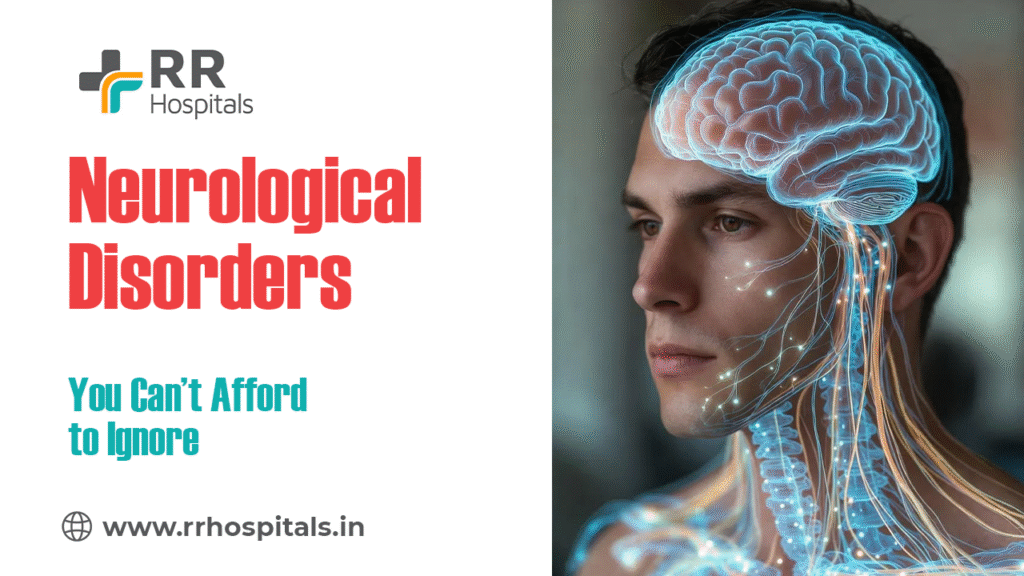
Neurological Disorders You Can’t Afford to Ignore
Your brain, spinal cord, and nerves control nearly every function in your body—from movement and memory to breathing and emotions. When something affects this complex system, the warning signs may seem small at first but can become serious if left untreated.
Many neurological disorders begin with symptoms people often dismiss as stress, fatigue, aging, or temporary discomfort. Recognizing these signs early can lead to faster diagnosis, better treatment outcomes, and improved quality of life.
In this guide, we’ll explore five important conditions, their symptoms, and the early warning signals you should never overlook.
What Are Neurological Disorders?
Neurological disorders are conditions that affect the nervous system, including the brain, spinal cord, and nerves throughout the body.
These conditions may impact:
- Movement and coordination
- Memory and thinking
- Speech and communication
- Sensation and pain
- Balance and walking
- Sleep and behavior
There are hundreds of nervous system disorders, ranging from temporary conditions to long-term diseases requiring ongoing care.
1. Stroke – A Medical Emergency That Requires Immediate Action
A stroke happens when blood flow to part of the brain is interrupted or reduced. Without oxygen, brain cells begin to die within minutes.
Stroke remains one of the most serious common neurological disorders worldwide.
Early Warning Signs
Watch for these neurological disorders symptoms:
- Sudden weakness on one side of the body
- Difficulty speaking
- Facial drooping
- Vision problems
- Severe headache
- Loss of balance
A helpful reminder is FAST:
- F – Face drooping
- A – Arm weakness
- S – Speech difficulty
- T – Time to seek emergency care
Risk Factors
- High blood pressure
- Diabetes
- Smoking
- Obesity
- High cholesterol
- Family history
Early treatment can reduce long-term complications significantly.
2. Epilepsy – More Than Just Seizures
Epilepsy is a neurological condition that causes repeated seizures due to abnormal electrical activity in the brain.
Many people think epilepsy always involves full-body shaking, but symptoms can vary.
Signs of Neurological Disorders Seen in Epilepsy
Common symptoms include:
- Sudden confusion
- Staring spells
- Temporary loss of awareness
- Muscle jerking
- Unusual sensations
- Memory gaps
Some seizures last only seconds and may go unnoticed.
When to Seek Medical Attention
Consult a healthcare professional if:
- A seizure occurs for the first time
- Episodes repeat
- Recovery is unusually slow
Among all common neurological disorders, epilepsy often benefits from early evaluation and management.
3. Parkinson’s Disease – When Movement Changes Gradually
Parkinson’s disease is a progressive condition that affects movement and coordination.
Because symptoms develop slowly, people may ignore the earliest changes.
Early Signs of Neurological Problems in Parkinson’s Disease
Watch for:
- Tremors in hands or fingers
- Slower movement
- Muscle stiffness
- Balance problems
- Smaller handwriting
- Reduced facial expression
Many people assume these changes are normal aging, but persistent symptoms deserve attention.
Additional Symptoms
Beyond movement changes, people may experience:
- Sleep disturbances
- Anxiety
- Fatigue
- Memory changes
Recognizing these signs of neurological disorders early may support earlier intervention.
4. Multiple Sclerosis (MS) – When the Immune System Attacks Nerves
Multiple sclerosis is an autoimmune condition where the immune system damages protective coverings around nerve fibers.
Because symptoms may appear and disappear, diagnosis can sometimes be delayed.
Neurological Disorders Symptoms in MS
Common symptoms include:
- Numbness or tingling
- Muscle weakness
- Vision changes
- Fatigue
- Difficulty walking
- Dizziness
Symptoms can vary depending on which nerves are affected.
Risk Factors
MS may be influenced by:
- Genetics
- Environmental factors
- Immune system activity
- Certain infections
As one of the major nervous system disorders, MS often requires ongoing monitoring and personalized care.
5. Alzheimer’s Disease – Memory Loss Beyond Normal Aging
Occasional forgetfulness is common, but persistent memory decline may signal something more serious.
Alzheimer’s disease affects memory, thinking, and behavior over time.
Early Signs of Neurological Problems in Alzheimer’s Disease
Common warning signs include:
- Frequent memory loss
- Repeating questions
- Trouble completing familiar tasks
- Confusion about time or place
- Difficulty finding words
- Poor decision-making
Symptoms often develop gradually.
Why Early Recognition Matters
Early evaluation may help:
- Improve planning
- Support symptom management
- Enhance quality of life
- Provide family guidance
Alzheimer’s is among the most recognized neurological disorders affecting older adults.
Common Symptoms You Should Never Ignore
Different conditions may present differently, but several symptoms should always be evaluated.
Seek medical advice if you notice:
- Persistent headaches
- Sudden weakness
- Unexplained numbness
- Vision changes
- Tremors
- Seizures
- Difficulty speaking
- Memory decline
- Loss of coordination
- Chronic dizziness
These symptoms may indicate underlying neurological disorders symptoms that require assessment.
What Causes Neurological Disorders?
The causes vary widely depending on the condition.
Possible causes include:
Genetics
Some conditions may run in families.
Reduced Blood Flow
Interrupted circulation can damage brain tissue.
Autoimmune Activity
The immune system may mistakenly attack nerves.
Infections
Certain infections can affect the brain or nervous system.
Injury
Head trauma may increase neurological risks.
Lifestyle Factors
Smoking, poor sleep, and unmanaged health conditions may contribute.
Understanding these causes helps explain why common neurological disorders can affect people differently.
When Should You See a Neurologist?
Many people delay care because symptoms seem minor.
Consider professional evaluation if symptoms:
- Persist for several weeks
- Interfere with daily activities
- Become progressively worse
- Affect movement or memory
- Include repeated episodes
A neurologist evaluates conditions involving the brain, spinal cord, and nerves.
Early consultation may improve outcomes for many nervous system disorders.
Can Neurological Disorders Be Prevented?
Not every condition is preventable, but healthy habits may lower certain risks.
Helpful steps include:
Control Blood Pressure
High blood pressure is linked to stroke risk.
Stay Physically Active
Regular movement supports brain health.
Prioritize Sleep
Sleep affects memory and nerve function.
Eat a Balanced Diet
Focus on:
- Fruits
- Vegetables
- Whole grains
- Healthy fats
Avoid Smoking
Smoking increases vascular and neurological risks.
Manage Stress
Long-term stress may affect overall neurological wellness.
Prevention does not guarantee protection but may reduce risk factors associated with several neurological disorders.
Frequently Asked Questions
What are the first signs of neurological disorders?
Early symptoms may include numbness, weakness, tremors, headaches, memory changes, and coordination problems.
Are neurological disorders curable?
Some conditions can be treated effectively, while others are managed long term.
Do neurological symptoms always mean serious disease?
Not always, but persistent symptoms should be evaluated.
Can younger people develop neurological disorders?
Yes. Neurological conditions can affect people of all ages.
Is memory loss always Alzheimer’s disease?
No. Memory changes may have multiple possible causes.
Final Thoughts
Your nervous system affects every part of daily life, and even subtle changes can matter. Paying attention to signs of neurological disorders allows earlier diagnosis and more effective care.
The five conditions discussed—stroke, epilepsy, Parkinson’s disease, multiple sclerosis, and Alzheimer’s disease—highlight why awareness matters.
Remember these key takeaways:
- Learn the early neurological disorders symptoms
- Understand common warning signs
- Do not ignore persistent changes
- Recognize major common neurological disorders
- Seek medical advice when symptoms continue
Being proactive about neurological health can help protect long-term well-being and support better outcomes over time.