What Is a Hernia? Symptoms, Causes & Treatment Explained
A hernia is a common medical condition that affects millions of people worldwide. It happens when an internal organ or tissue pushes through a weak spot in the surrounding muscle or connective tissue. While some hernias may appear harmless in the beginning, ignoring them can lead to severe complications over time. Understanding the condition, identifying the warning signs early, and seeking the right Hernia treatment can help prevent long-term health issues.
Many people experience discomfort or swelling in the abdomen or groin area but fail to recognize that it could be a hernia. In some cases, the pain becomes noticeable during physical activities such as coughing, bending, or lifting heavy objects. Knowing the common Hernia symptoms and understanding the risk factors can help you take timely medical advice.
This detailed guide explains everything you need to know about hernias, including the types, Hernia causes, symptoms, diagnosis methods, and the latest treatment options available.

What Is a Hernia?
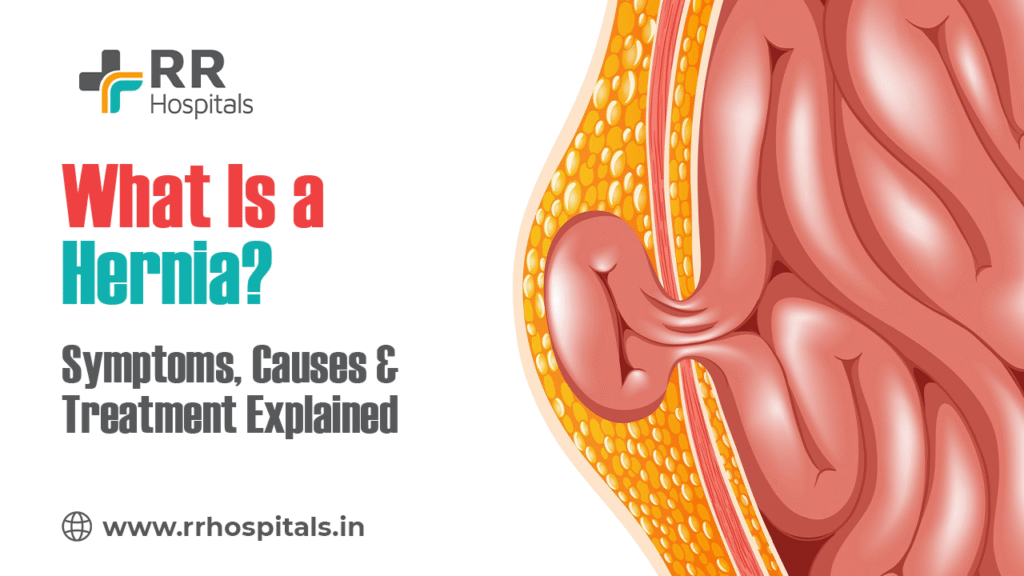
A hernia occurs when an organ, fatty tissue, or part of the intestine pushes through a weak area in the muscle wall. Most hernias develop in the abdomen, groin, or upper thigh region. The condition may start as a small bulge and gradually increase in size over time.
The abdominal wall is designed to keep organs securely in place. However, weakness in the muscles or excessive pressure inside the abdomen can cause tissues to protrude outward. Depending on the location, a hernia can affect daily activities and may become painful.
In some people, a hernia develops slowly without major symptoms, while others may experience severe discomfort from the beginning. Although hernias are more common in men, women and children can also develop them.
Types of Hernia
Understanding the different types of hernia is important for proper diagnosis and Hernia treatment.
1. Inguinal Hernia
An inguinal hernia is the most common type. It occurs when part of the intestine or fatty tissue pushes through the lower abdominal wall near the groin. Men are more likely to develop this condition.
2. Femoral Hernia
This type occurs in the upper thigh area near the groin and is more common in women. Femoral hernias may lead to complications if left untreated.
3. Umbilical Hernia
An umbilical hernia develops near the belly button. It is commonly seen in infants but can also occur in adults due to obesity or pregnancy.
4. Hiatal Hernia
A hiatal hernia occurs when part of the stomach pushes upward through the diaphragm into the chest cavity. This condition often causes acid reflux and heartburn.
5. Incisional Hernia
This type develops at the site of a previous surgical incision. Weakness in the abdominal wall after surgery can lead to tissue protrusion.
Common Hernia Symptoms
Recognizing Hernia symptoms early can help avoid complications and make treatment easier. Symptoms may vary depending on the type and severity of the condition.
Visible Bulge
One of the most noticeable Hernia symptoms is a lump or bulge in the abdomen or groin. The bulge may become more visible when standing, coughing, or lifting heavy objects.
Pain or Discomfort
Many people experience pain, pressure, or discomfort around the affected area. The pain may worsen during physical activity.
Burning or Aching Sensation
Some hernias cause a burning sensation or heaviness in the abdomen.
Weakness in the Groin
People with inguinal hernia may feel weakness or pulling in the groin area.
Digestive Issues
Hiatal hernia may cause acid reflux, chest discomfort, bloating, or difficulty swallowing.
Severe Symptoms
If the blood supply to the protruding tissue becomes blocked, it can lead to a strangulated hernia. Symptoms include severe pain, nausea, vomiting, fever, and redness around the bulge. This condition requires immediate medical attention.
Hernia Causes Explained
There are several Hernia causes, and in many cases, multiple factors contribute to the condition.
Muscle Weakness
Weakness in the abdominal muscles is one of the major Hernia causes. Some people are born with weak muscles, while others develop weakness due to aging.
Increased Abdominal Pressure
Excess pressure inside the abdomen can push organs through weak muscle areas.
Hernia Due to Heavy Lifting
Hernia due to heavy lifting is extremely common among people who frequently carry heavy weights without proper support. Lifting heavy objects puts strain on the abdominal wall and increases the risk of muscle tears.
Chronic Coughing
Long-term coughing caused by smoking or respiratory conditions can continuously strain the abdominal muscles.
Constipation
Straining during bowel movements can increase abdominal pressure and contribute to hernia formation.
Pregnancy
Pregnancy stretches the abdominal muscles and increases pressure within the abdomen, especially in multiple pregnancies.
Obesity and Hernia
Obesity and hernia are closely connected. Excess body weight places continuous pressure on the abdominal wall, making obese individuals more likely to develop hernias. Weight gain can also worsen existing hernias.
Previous Surgery
Surgical incisions can weaken muscles, leading to incisional hernias later.
What Causes Hernia in Different Age Groups?
Many people wonder, “What causes hernia in children and adults?” The answer depends on age and lifestyle.
In infants, hernias often develop because of incomplete muscle closure during fetal development. In adults, aging, obesity, physical strain, and chronic pressure on abdominal muscles are the leading factors.
Athletes, gym enthusiasts, and workers involved in manual labor may develop hernias because of repetitive strain. Similarly, people who sit for long hours and have weak core muscles may also be at risk.
Risk Factors for Hernia
Certain factors increase the chances of developing a hernia:
- Heavy weight lifting
- Smoking
- Obesity
- Chronic constipation
- Chronic cough
- Pregnancy
- Aging
- Family history of hernia
- Previous abdominal surgery
Understanding these risk factors can help reduce the likelihood of needing Hernia surgery in the future.
How Hernia Is Diagnosed
Doctors usually diagnose a hernia through physical examination. During the examination, the doctor may ask the patient to stand, cough, or strain to make the hernia more visible.
Imaging tests may also be recommended, including:
- Ultrasound
- CT scan
- MRI scan
- Endoscopy for hiatal hernia
Accurate diagnosis helps determine the most effective Hernia treatment plan.
Hernia Treatment Options
The best Hernia treatment depends on the size, location, and severity of the condition.
Lifestyle Changes
Small hernias with mild symptoms may be managed temporarily through lifestyle modifications such as:
- Avoiding heavy lifting
- Maintaining healthy weight
- Eating fiber-rich foods
- Quitting smoking
- Treating chronic cough
However, lifestyle changes cannot permanently cure a hernia.
Medications
For hiatal hernia, medications may help control acid reflux and heartburn symptoms.
Hernia Surgery
In most cases, Hernia surgery is the only permanent solution. Surgery helps repair the weak muscle wall and prevents complications.
There are two main types of Hernia surgery:
Open Hernia Surgery
In this procedure, the surgeon makes an incision near the hernia and pushes the protruding tissue back into place. The weak area is then repaired using stitches or surgical mesh.
Laparoscopic Hernia Surgery
This minimally invasive technique uses small incisions and a camera-guided instrument. Recovery is usually faster, and patients experience less pain compared to open surgery.
Modern Hernia surgery techniques are highly effective and safe when performed by experienced surgeons.
Hernia Operation Recovery Time
Recovery after a Hernia operation varies depending on the type of surgery and the patient’s overall health.
Most people can return to light activities within a few days after laparoscopic surgery. Open surgery may require a slightly longer recovery period.
Patients are usually advised to:
- Avoid lifting heavy weights for several weeks
- Follow a healthy diet
- Stay hydrated
- Walk regularly for better circulation
- Attend follow-up appointments
Following post-operative instructions carefully can reduce the risk of recurrence.
Can Hernia Be Prevented?
Although not all hernias can be prevented, certain lifestyle habits can lower the risk.
Maintain Healthy Weight
Since obesity and hernia are closely related, maintaining a healthy body weight can reduce abdominal pressure.
Lift Properly
To avoid Hernia due to heavy lifting, always bend your knees while lifting and avoid sudden strain.
Strengthen Core Muscles
Regular exercise helps improve abdominal strength and support.
Eat Fiber-Rich Foods
Preventing constipation reduces pressure during bowel movements.
Stop Smoking
Smoking contributes to chronic coughing and weakens tissue healing.
Complications of Untreated Hernia
Ignoring Hernia symptoms can lead to serious complications.
Incarcerated Hernia
This occurs when the protruding tissue becomes trapped and cannot move back into place.
Strangulated Hernia
A strangulated hernia cuts off blood supply to the affected tissue. It is a medical emergency and may require immediate Hernia operation.
Intestinal Obstruction
Some hernias can block the intestine, leading to severe pain, vomiting, and digestive problems.
Seeking timely Hernia treatment helps prevent these dangerous complications.
When Should You See a Doctor?
You should consult a doctor if you notice:
- A visible bulge in the abdomen or groin
- Persistent pain or discomfort
- Swelling that increases over time
- Difficulty swallowing or severe acid reflux
- Sudden severe pain with nausea or vomiting
Early diagnosis can make Hernia surgery simpler and improve recovery outcomes.
Myths About Hernia
Myth 1: Hernias Heal on Their Own
Fact: Hernias do not disappear naturally. Without proper Hernia treatment, they usually worsen over time.
Myth 2: Only Men Get Hernias
Fact: Women and children can also develop different types of hernia.
Myth 3: Exercise Always Causes Hernia
Fact: Proper exercise strengthens muscles. However, incorrect lifting techniques and excessive strain may increase risk.
Myth 4: Hernia Surgery Is Dangerous
Fact: Modern Hernia surgery procedures are generally safe and have high success rates.
Final Thoughts
A hernia is a common yet treatable medical condition that should never be ignored. Understanding Hernia symptoms, identifying Hernia causes, and seeking timely medical attention can help prevent complications.
Factors such as obesity and hernia, chronic coughing, poor lifting habits, and muscle weakness all play a role in the development of this condition. Hernia due to heavy lifting is especially common among individuals involved in physically demanding activities.
While lifestyle modifications may help reduce discomfort, Hernia surgery remains the most effective long-term solution in many cases. Advances in minimally invasive Hernia operation techniques have made treatment safer and recovery faster than ever before.
If you notice symptoms such as swelling, pain, or a visible bulge, consult a healthcare professional immediately. Early Hernia treatment can improve quality of life and prevent emergency complications.
By maintaining a healthy lifestyle, lifting properly, and staying aware of the warning signs, you can significantly reduce the risk of developing a hernia and protect your overall health.