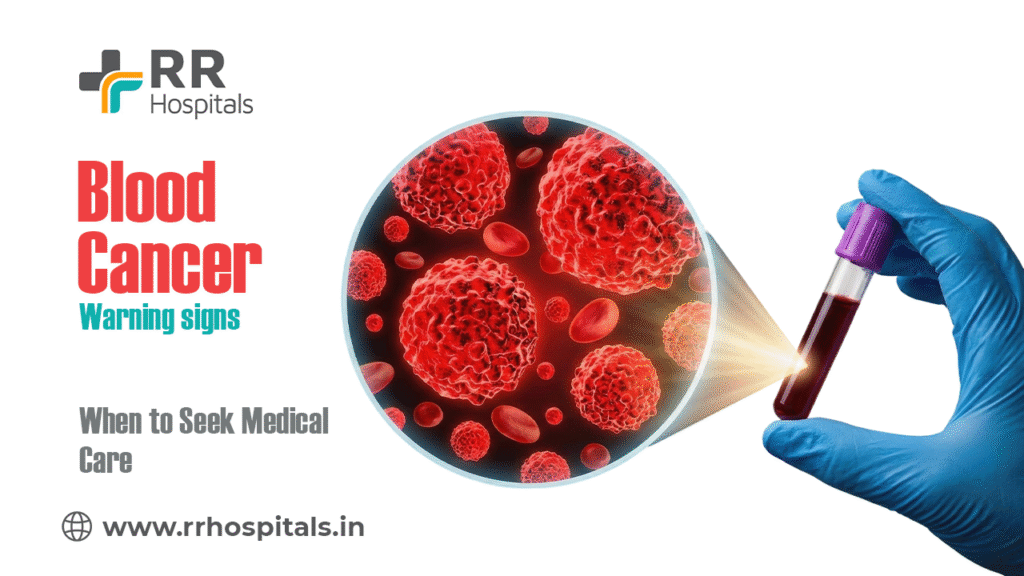
Blood Cancer Warning Signs: When to Seek Medical Care
Blood cancer is a group of cancers that affect the blood, bone marrow, or lymphatic system. Unlike many other cancers that form solid tumors, blood cancer begins in the cells responsible for producing blood. These abnormal cells grow uncontrollably, interfering with the body’s ability to fight infections, carry oxygen, and control bleeding.
One of the biggest challenges with blood cancer is that its early symptoms are often subtle and can be mistaken for common illnesses such as the flu, anemia, or fatigue caused by stress. As a result, many people delay seeking medical attention until the disease has progressed.
Recognizing blood cancer symptoms early and understanding the blood cancer signs that should never be ignored can make a significant difference. Early blood cancer diagnosis allows healthcare providers to begin treatment sooner, improving the chances of successful disease management and better quality of life.
This article explains the warning signs, possible blood cancer causes, risk factors, and when it is important to seek medical care.

What Is Blood Cancer?
Blood cancer refers to cancers that affect the production and function of blood cells. These cancers usually begin in the bone marrow, where blood cells are formed. Instead of producing healthy blood cells, the body starts making abnormal cells that do not function properly.
As these abnormal cells multiply, they crowd out healthy blood cells, leading to problems such as infections, anemia, excessive bleeding, and weakened immunity.
Unlike many other cancers, blood cancer does not always produce a visible lump or tumor. Instead, the disease often affects the entire body through changes in blood cell production.
Types of Blood Cancer
Understanding the major types of blood cancer can help explain why symptoms may vary from person to person.
Leukemia
Leukemia affects the white blood cells. The bone marrow produces abnormal white blood cells that cannot fight infections effectively. Leukemia may develop suddenly (acute) or slowly over several years (chronic).
Common symptoms include frequent infections, fatigue, fever, bruising, and bleeding.
Lymphoma
Lymphoma develops in the lymphatic system, which is part of the body’s immune system. It causes abnormal growth of lymphocytes, a type of white blood cell.
People with lymphoma often notice swollen lymph nodes in the neck, underarms, or groin along with unexplained fever and weight loss.
Multiple Myeloma
Multiple myeloma affects plasma cells that help produce antibodies. The disease weakens bones, affects kidney function, and reduces the body’s ability to fight infections.
Symptoms may include bone pain, fractures, fatigue, and repeated infections.
Although these conditions differ, many blood cancer symptoms overlap.
Why Early Detection Matters
Early detection is one of the most important factors in improving outcomes for people with blood cancer.
Many symptoms appear gradually, making them easy to overlook. Unfortunately, delaying medical evaluation may allow the disease to progress before treatment begins.
A timely blood cancer diagnosis enables doctors to determine the exact type of cancer, evaluate its stage, and recommend the most effective treatment plan.
The sooner abnormal blood cells are identified, the greater the opportunity to manage complications and improve long-term health.
Common Blood Cancer Symptoms
The early blood cancer symptoms are often nonspecific and may resemble those of less serious illnesses. However, persistent or worsening symptoms should never be ignored.
Persistent Fatigue
Feeling tired after a busy day is normal. However, persistent exhaustion that does not improve with rest may be one of the earliest blood cancer signs.
Cancer can interfere with the production of healthy red blood cells, leading to anemia and reduced oxygen delivery throughout the body.
Frequent Infections
Healthy white blood cells protect the body against bacteria and viruses. In blood cancer, abnormal white blood cells cannot perform this function effectively.
People may experience:
- Frequent colds
- Recurrent fevers
- Slow recovery from infections
- Repeated bacterial infections
These recurring illnesses are important blood cancer symptoms, especially when they occur without an obvious reason.
Unexplained Weight Loss
Losing weight without changes in diet or exercise should always be evaluated.
Unintentional weight loss is one of the common blood cancer signs, as cancer cells consume energy and alter normal metabolism.
Fever and Night Sweats
Persistent fever without an identifiable infection may indicate an underlying medical condition.
Night sweats that soak clothing or bedding are another symptom commonly associated with lymphoma and other forms of blood cancer.
Easy Bruising and Bleeding
Healthy platelets help control bleeding. When blood cancer reduces platelet production, people may notice:
- Easy bruising
- Frequent nosebleeds
- Bleeding gums
- Tiny red or purple spots beneath the skin
- Heavy menstrual bleeding
These symptoms require prompt medical evaluation.
Swollen Lymph Nodes
Swollen lymph nodes are among the most recognized blood cancer signs, particularly in lymphoma.
Unlike swollen glands caused by infection, cancer-related lymph nodes may:
- Be painless
- Continue enlarging
- Persist for several weeks
The neck, armpits, and groin are the most common locations.
Bone or Joint Pain
Bone pain may occur when abnormal blood cells accumulate inside the bone marrow.
The discomfort often affects:
- Back
- Hips
- Ribs
- Long bones of the legs
Persistent bone pain should not be ignored, particularly if accompanied by other blood cancer symptoms.
Shortness of Breath
Anemia caused by blood cancer reduces oxygen transport throughout the body.
People may experience:
- Breathlessness during routine activities
- Rapid heartbeat
- Dizziness
- Weakness
These symptoms often become more noticeable as anemia worsens.
Blood Cancer Signs That Should Never Be Ignored
While many illnesses share similar symptoms, certain blood cancer signs deserve immediate medical attention.
Seek medical evaluation if you experience:
- Fatigue lasting several weeks
- Frequent unexplained infections
- Persistent fever
- Night sweats
- Unexplained weight loss
- Swollen lymph nodes lasting more than two weeks
- Easy bruising or bleeding
- Persistent bone pain
- Shortness of breath without obvious cause
Having one symptom does not necessarily mean you have blood cancer, but persistent combinations of these symptoms should always be assessed by a healthcare professional.
Blood Cancer Causes and Risk Factors
The exact blood cancer causes are not always known. In many cases, the disease develops because of changes (mutations) in the DNA of blood-forming cells.
Several factors may increase the risk.
Age
Some forms of blood cancer become more common with advancing age, although leukemia can occur in children and young adults.
Family History
A family history of leukemia, lymphoma, or other blood cancers may slightly increase the risk for some individuals.
Exposure to Radiation
Previous exposure to high doses of radiation, including certain cancer treatments or environmental exposure, has been linked to an increased risk of blood cancer.
Exposure to Chemicals
Long-term exposure to industrial chemicals such as benzene may contribute to the development of some blood cancers.
Smoking
Smoking increases the risk of several cancers, including certain types of leukemia.
Weakened Immune System
Individuals with weakened immunity due to medical conditions or medications may have a higher chance of developing lymphoma and other blood cancers.
Blood Cancer Diagnosis
Recognizing blood cancer symptoms is only the first step. A confirmed blood cancer diagnosis requires a thorough medical evaluation, including a review of your symptoms, physical examination, blood tests, and imaging or bone marrow studies when necessary.
Doctors may recommend one or more of the following diagnostic tests to determine the type and extent of blood cancer.
Complete Blood Count (CBC)
A Complete Blood Count (CBC) is often the first test performed when blood cancer is suspected. This test measures:
- Red blood cells
- White blood cells
- Platelets
- Hemoglobin levels
Abnormal results may indicate problems with blood cell production and help guide further testing.
Peripheral Blood Smear
A blood smear allows doctors to examine blood cells under a microscope. It helps identify abnormal or immature cells that may be associated with leukemia or other blood disorders.
Bone Marrow Biopsy
A bone marrow biopsy is one of the most important tests for blood cancer diagnosis. During this procedure, a small sample of bone marrow is collected, usually from the hip bone, and examined for abnormal cancer cells.
The results help determine the specific type of blood cancer, its severity, and the most appropriate treatment plan.
Imaging Tests
Imaging studies such as CT scans, PET scans, MRI scans, or ultrasound may be recommended to assess enlarged lymph nodes, organ involvement, or disease spread.
These tests are particularly useful in diagnosing lymphoma.
Genetic and Molecular Testing
Modern cancer care often includes specialized laboratory tests that identify genetic mutations within cancer cells. These findings help doctors classify the disease more accurately and select targeted treatment options.
Blood Cancer Treatment
Treatment depends on the type of blood cancer, its stage, the patient’s age, overall health, and individual medical needs. Advances in medical research have significantly improved outcomes for many patients.
Common treatment options include:
Chemotherapy
Chemotherapy uses medications to destroy cancer cells or slow their growth. It remains one of the most common treatments for leukemia, lymphoma, and multiple myeloma.
Targeted Therapy
Targeted therapy attacks specific molecules or genetic changes within cancer cells while minimizing damage to healthy tissues. This approach has become increasingly important in treating several forms of blood cancer.
Immunotherapy
Immunotherapy strengthens the body’s immune system so it can recognize and destroy cancer cells more effectively.
Some advanced immunotherapy treatments have shown remarkable success in selected patients.
Radiation Therapy
Radiation therapy uses high-energy beams to destroy cancer cells in specific areas of the body. It may be used alone or alongside chemotherapy, especially in certain types of lymphoma.
Stem Cell (Bone Marrow) Transplant
For some patients, a stem cell transplant may offer the best chance of long-term remission. Healthy stem cells replace damaged bone marrow after intensive treatment.
Not every patient requires a transplant, and eligibility depends on several medical factors.
When Should You Seek Medical Care?
Many early blood cancer symptoms can resemble common illnesses, but certain warning signs should never be ignored. Seeking medical care promptly can lead to an earlier blood cancer diagnosis, allowing treatment to begin before the disease progresses.
Consult a healthcare professional if you experience:
- Fatigue lasting more than two to three weeks without improvement
- Frequent or recurring infections
- Persistent fever without an obvious cause
- Night sweats that repeatedly soak clothing or bedding
- Unexplained weight loss
- Swollen lymph nodes that persist for more than two weeks
- Easy bruising or unusual bleeding
- Ongoing bone or joint pain
- Shortness of breath during routine activities
- Pale skin accompanied by weakness or dizziness
Although these symptoms do not always indicate blood cancer, they warrant medical evaluation, particularly when multiple symptoms occur together or continue to worsen.
Can Blood Cancer Be Prevented?
There is no guaranteed way to prevent blood cancer, as many cases occur without a clearly identifiable cause. However, adopting healthy lifestyle habits may help reduce the risk of certain cancers and support overall well-being.
Avoid Tobacco
Smoking has been linked to several cancers, including some forms of leukemia. Quitting smoking benefits overall health and lowers cancer risk.
Limit Exposure to Harmful Chemicals
Whenever possible, reduce exposure to industrial chemicals such as benzene by following workplace safety guidelines and using protective equipment.
Maintain a Healthy Lifestyle
A balanced diet rich in fruits, vegetables, whole grains, and lean proteins, along with regular exercise, supports immune health and overall wellness.
Attend Regular Health Check-Ups
Routine medical check-ups can help detect abnormalities early, especially for individuals with a family history of blood disorders or cancer.
Living with Blood Cancer
Receiving a diagnosis of blood cancer can be emotionally challenging, but many people continue to lead meaningful and productive lives during and after treatment.
Supportive care plays an important role in improving quality of life. Patients may benefit from:
- Nutritional counseling
- Physical rehabilitation
- Pain management
- Psychological support
- Support groups
- Regular follow-up appointments
Family support, clear communication with healthcare providers, and adherence to treatment plans can make a significant difference throughout the cancer journey.
Frequently Asked Questions
1. What are the first signs of blood cancer?
The earliest blood cancer signs may include persistent fatigue, frequent infections, unexplained fever, night sweats, swollen lymph nodes, easy bruising, and unexplained weight loss.
2. What are the common blood cancer causes?
The exact blood cancer causes are often unknown. However, genetic mutations, radiation exposure, certain chemicals, smoking, and weakened immunity may increase the risk.
3. How is blood cancer diagnosed?
A blood cancer diagnosis usually involves blood tests, a Complete Blood Count (CBC), bone marrow biopsy, imaging studies, and specialized laboratory tests.
4. Is blood cancer curable?
Some types of blood cancer can be successfully treated, and many patients achieve long-term remission. Treatment outcomes depend on the cancer type, stage, overall health, and response to therapy.
5. When should I see a doctor?
Seek medical care if blood cancer symptoms such as persistent fatigue, frequent infections, swollen lymph nodes, unexplained weight loss, or unusual bleeding continue for more than a few weeks or worsen over time.
Conclusion
Blood cancer affects the body’s ability to produce healthy blood cells, making early recognition of warning signs essential. Symptoms such as persistent fatigue, unexplained fever, swollen lymph nodes, easy bruising, frequent infections, and weight loss should never be ignored, especially when they persist or occur together.
Understanding common blood cancer symptoms, recognizing important signs, and being aware of possible causes can encourage timely medical evaluation. An early blood cancer diagnosis not only helps identify the specific type of cancer but also allows treatment to begin sooner, improving the chances of better outcomes and enhancing quality of life.
While not every symptom points to blood cancer, listening to your body and seeking professional medical advice when something feels unusual is always the safest approach. Advances in diagnostic techniques and treatment options continue to improve survival rates, making early detection more important than ever.
If you or a loved one experiences persistent warning signs, consult a qualified healthcare professional without delay. Prompt evaluation and appropriate care can make a meaningful difference in managing the disease and supporting long-term health.