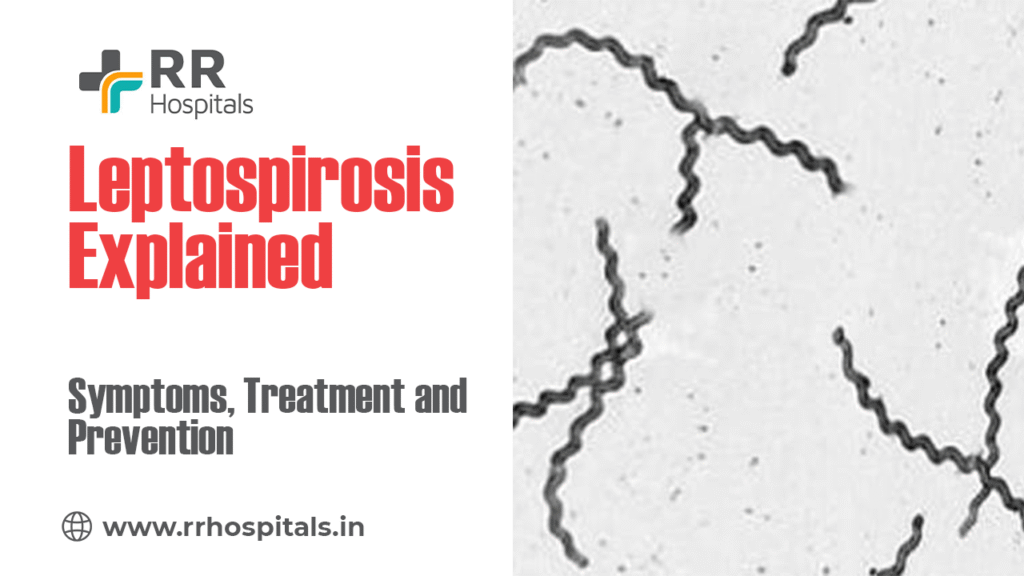
Leptospirosis Explained: From Early Signs to Treatment and Prevention
Leptospirosis is a bacterial infection that can affect humans and animals. It is commonly associated with contact with water or soil contaminated by the urine of infected animals, particularly rodents and livestock. The risk may increase during the monsoon season, after heavy rainfall, and in areas affected by flooding or poor sanitation.
Recognising the early warning signs and seeking medical care promptly are important for reducing the risk of complications. Leptospirosis treatment generally involves antibiotics prescribed by a healthcare professional, with hospital care and supportive treatment required in severe cases.
Because the infection can initially resemble common viral illnesses, identifying it early is not always straightforward. Fever, headache, muscle pain, chills, and nausea may be mistaken for other infections.
This article explains the causes, symptoms, diagnosis, treatment options, and preventive measures that can help people understand leptospirosis and protect their health.
What Is Leptospirosis?
Leptospirosis is a zoonotic disease caused by bacteria belonging to the genus Leptospira. A zoonotic disease is an infection that can spread between animals and humans.
The bacteria may survive in moist soil and contaminated freshwater for weeks or months under suitable environmental conditions. People can become infected when contaminated water or soil comes into contact with broken skin or the eyes, nose, or mouth.
The illness can range from a mild infection to a serious condition affecting several organs. Without appropriate care, severe cases may lead to kidney damage, liver failure, meningitis, breathing difficulties, and other life-threatening complications.
Early medical assessment is therefore essential when symptoms develop after possible exposure to contaminated water or animal urine.
What Causes Leptospirosis?
The primary cause is exposure to Leptospira bacteria shed in the urine of infected animals. These bacteria can contaminate water, soil, and surfaces in the surrounding environment.
Common sources of infection include:
- Rodents: Rats and mice are important carriers and can contaminate their surroundings.
- Farm animals: Cattle, pigs, horses, and other livestock may carry the bacteria.
- Domestic animals: Infected dogs and other animals can also transmit the bacteria through urine.
- Contaminated water: Floodwater, ponds, streams, and other freshwater sources may contain the bacteria.
- Contaminated soil: Wet soil or mud exposed to infected animal urine can present a risk.
Certain occupations, including farming, veterinary work, sewage management, and sanitation work, may involve increased exposure. Recreational activities in contaminated freshwater can also increase the risk.
Understanding these leptospirosis causes helps people identify situations in which preventive precautions are particularly important.
How Is Leptospirosis Spread?
A common question is, how is leptospirosis spread? Infection usually occurs through direct or indirect contact with the urine of infected animals.
The bacteria can enter the body through small cuts, scratches, or damaged skin. They may also enter through the eyes, nose, or mouth. Swallowing contaminated water or food is another possible route.
Flooding can increase exposure because animal urine may mix with rainwater and spread across roads, fields, homes, and other areas.
Leptospirosis is not typically spread through ordinary casual contact between people. Human-to-human transmission is rare.
People who walk barefoot through floodwater, work in wet soil without protective equipment, or use unsafe water for drinking may face greater exposure risks.
If you have recently been exposed to potentially contaminated water and develop a fever or muscle pain, inform your healthcare provider about the exposure. This information can help guide the evaluation and decisions about leptospirosis treatment.
What Are the Early Signs of Leptospirosis?
The early signs of leptospirosis can appear approximately 2–30 days after exposure, although symptoms commonly begin within 5–14 days.
The initial illness can resemble influenza, dengue, or other infections. Symptoms alone cannot confirm the diagnosis.
1. Fever and chills
A sudden fever, sometimes accompanied by chills, is a common early symptom. A fever following floodwater exposure or contact with potentially contaminated soil deserves medical attention.
2. Muscle pain
Muscle aches may affect several areas of the body, particularly the calves and lower back. The pain can sometimes be significant.
3. Headache
A persistent or severe headache may occur alongside fever, muscle pain, and fatigue.
4. Nausea and vomiting
Some people experience nausea, vomiting, diarrhoea, or abdominal discomfort. These symptoms may contribute to dehydration.
5. Red eyes
Redness in both eyes without the usual discharge associated with some eye infections can occur in leptospirosis. This symptom is not present in every case.
6. Tiredness and weakness
People may experience unusual fatigue, reduced energy, and general discomfort.
7. Other symptoms
Some patients develop a rash, cough, or reduced appetite. Others may experience only mild symptoms or have no noticeable symptoms.
These leptospirosis symptoms overlap with several other illnesses, so a doctor may recommend laboratory testing based on the symptoms, exposure history, and stage of the illness.
When Can Leptospirosis Become Serious?
Although some infections remain mild, others can progress to severe disease. Symptoms may temporarily improve before returning or becoming more serious.
Seek urgent medical care if you experience warning signs such as:
- Yellowing of the skin or eyes.
- Reduced urine output or difficulty passing urine.
- Difficulty breathing or chest discomfort.
- Confusion, unusual drowsiness, or severe headache with neck stiffness.
- Persistent vomiting or signs of severe dehydration.
- Unusual bleeding or rapidly worsening weakness.
Severe leptospirosis may affect the kidneys, liver, lungs, heart, or the membranes surrounding the brain and spinal cord. Early evaluation and appropriate leptospirosis treatment can help reduce the risk of serious outcomes.
Do not wait for all symptoms to appear before seeking medical care. Suspected severe infection requires immediate assessment.
How Is Leptospirosis Diagnosed?
There is no single symptom that confirms leptospirosis. Doctors consider the patient’s clinical history, potential exposure, physical examination, and laboratory results.
Medical history and examination
Your doctor may ask about recent flooding, contact with animals, work in wet environments, travel, and the timing of your symptoms.
Blood and urine tests
Laboratory investigations may include blood tests to assess infection and organ function. Depending on the stage of the illness, specific tests may detect bacterial genetic material or antibodies produced by the immune system.
Additional investigations
If complications are suspected, doctors may request kidney and liver function tests, electrolyte measurements, imaging, or other investigations.
The choice of test depends on how long symptoms have been present. An early negative test does not always exclude infection, so repeat testing may sometimes be necessary.
Importantly, when clinical suspicion is high, healthcare professionals may begin leptospirosis treatment before all test results are available. Treatment decisions should not be delayed unnecessarily while awaiting confirmation.
What Is the Treatment for Leptospirosis?
The main treatment is antibiotics prescribed by a qualified healthcare professional. The choice of medicine depends on the severity of illness, the patient’s age, pregnancy status, allergies, other medical conditions, and clinical assessment.
1. Antibiotics for mild infection
For patients with mild disease, doctors may prescribe an appropriate oral antibiotic, such as doxycycline, amoxicillin, ampicillin, or azithromycin, depending on individual circumstances.
Starting treatment early may reduce the severity and duration of illness. However, patients should not self-medicate or use leftover antibiotics.
The appropriate medicine and duration must be determined by the treating clinician.
2. Hospital treatment for severe infection
Severe cases may require admission to hospital. Intravenous antibiotics, such as penicillin or other suitable alternatives, may be used according to the patient’s clinical condition and local treatment protocols.
Hospital care also focuses on managing complications and supporting affected organs.
3. Supportive medical care
Some patients require intravenous fluids and electrolyte management. People who develop kidney failure may need dialysis, while those with serious breathing difficulties may require oxygen or ventilatory support.
The specific approach depends on the complications present.
Overall, leptospirosis treatment works best when the infection is recognised promptly and appropriate medical care begins early. The need for hospital admission depends on the severity of the illness rather than the diagnosis alone.
How Long Does Recovery Take?
Recovery varies according to the severity of infection, the timing of diagnosis, and the patient’s general health.
People with mild disease may begin to feel better over several days after receiving appropriate care, although fatigue and weakness can continue for longer. More severe infections may require hospitalisation, rehabilitation, and additional follow-up.
During recovery, patients should:
- Follow the prescribed medication schedule.
- Drink fluids as advised by their healthcare provider.
- Rest and gradually return to normal activities.
- Attend recommended follow-up appointments.
- Complete any advised blood or urine tests to monitor organ function.
If fever returns, symptoms worsen, or new warning signs develop, seek medical review promptly.
Even after symptoms improve, follow your doctor’s advice regarding activity, medication, and follow-up care.
How Can Leptospirosis Be Prevented?
Prevention focuses on reducing contact with infected animal urine and contaminated water or soil. These leptospirosis prevention measures are especially important during periods of heavy rainfall and flooding.
1. Avoid potentially contaminated floodwater
Do not swim, bathe, or wade through water that may contain animal urine. Avoid unnecessary contact with floodwater, particularly if you have cuts or scratches.
2. Wear protective clothing
If exposure cannot be avoided because of work or essential activities, wear suitable waterproof boots, gloves, and protective clothing.
3. Cover cuts and wounds
Use waterproof dressings to cover cuts and scratches before entering potentially contaminated environments. Clean wounds promptly if exposure occurs.
4. Use safe drinking water
Drink water from a safe source. If water safety is uncertain, use an appropriate treatment method, such as boiling or a recommended disinfection method.
5. Maintain clean surroundings
Store food and rubbish in sealed containers, remove waste appropriately, and reduce conditions that attract rodents.
6. Follow workplace safety measures
Farmers, sanitation workers, animal handlers, and other people at occupational risk should follow workplace hygiene procedures and use the recommended protective equipment.
7. Seek advice after high-risk exposure
If you have had substantial exposure to potentially contaminated water, ask a healthcare professional whether any additional precautions are appropriate. Preventive antibiotics are not routinely suitable for everyone and should only be considered following individual medical advice.
Consistent leptospirosis prevention practices can help lower exposure risk, although no precaution can eliminate risk completely.
Frequently Asked Questions
1. Can leptospirosis be cured?
Many people recover with appropriate medical care. Early antibiotic treatment can reduce illness severity and duration, while severe cases may require hospital treatment and support for affected organs.
2. How soon do symptoms appear?
Symptoms can begin 2–30 days after exposure, most commonly within approximately 5–14 days.
3. Is leptospirosis contagious?
It is primarily acquired from infected animal urine or environments contaminated by it. Person-to-person transmission is rare.
4. Can leptospirosis be prevented during the monsoon?
Risk can be reduced by avoiding potentially contaminated floodwater, wearing protective footwear, covering wounds, using safe drinking water, and controlling rodents.
5. When should I see a doctor?
Seek medical assessment if you develop fever, headache, or muscle pain after possible exposure to contaminated water or animal urine. Get emergency care for jaundice, breathing difficulties, reduced urine output, confusion, or other severe symptoms.
Conclusion
Leptospirosis is a potentially serious bacterial infection that can occur after exposure to water or soil contaminated by infected animal urine. Its early symptoms may resemble common viral illnesses, making awareness of exposure history particularly important.
Prompt diagnosis, appropriate leptospirosis treatment, and careful monitoring can help reduce the risk of complications. Preventive measures—including avoiding unsafe floodwater, maintaining sanitation, using protective clothing, and practising safe water handling—also play an important role in reducing exposure.
If you suspect leptospirosis, consult a qualified healthcare professional promptly rather than waiting for symptoms to worsen. Early medical attention can make an important difference to the course of the illness.
Medical disclaimer: This article is for general educational purposes only. It does not replace professional medical advice, diagnosis, or treatment. Antibiotics should only be taken under appropriate medical supervision.
Don’t ignore your symptoms. Visit RR Hospitals now.
Follow us on Instagram for more updates!