Lymphedema: Causes, Symptoms, Treatment & Management
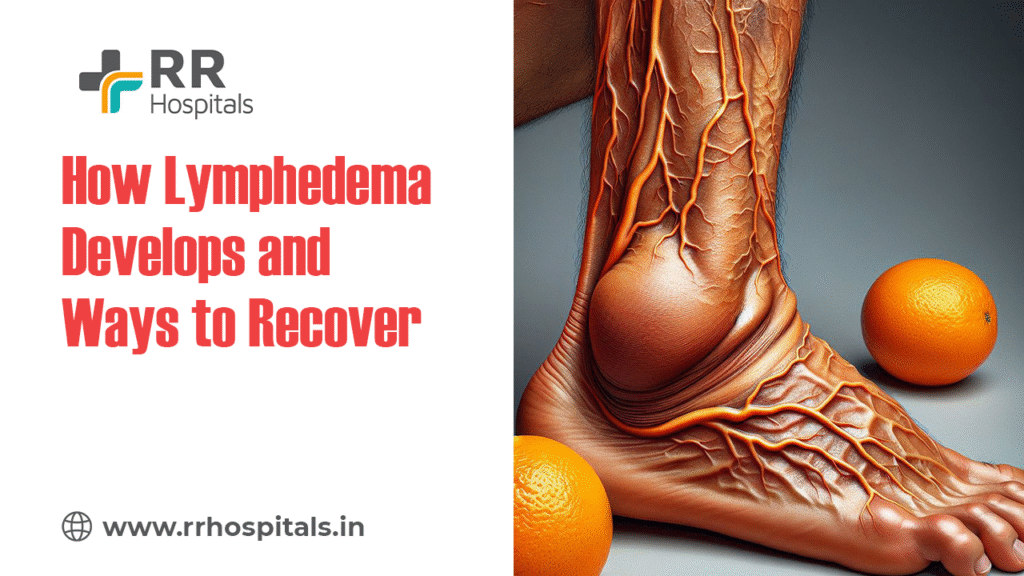
Persistent swelling in an arm or leg isn’t always temporary. In many cases, it could be lymphedema, a chronic condition that develops when the lymphatic system is unable to drain lymph fluid effectively. As fluid accumulates, swelling increases and may gradually affect mobility, skin health, and overall quality of life.
Although lymphedema cannot always be completely cured, early diagnosis and proper treatment can significantly reduce symptoms and help people lead active, comfortable lives.
In this article, we’ll discuss the causes, symptoms, diagnosis, treatment options, daily management strategies, and recovery expectations for lymphedema.
What Is Lymphedema?
Lymphedema is a condition in which lymph fluid collects within body tissues due to poor lymphatic drainage, resulting in swelling.
The lymphatic system plays several important roles:
- Maintains fluid balance
- Supports the immune system
- Removes waste products from tissues
- Transports proteins and immune cells
When this system is disrupted, excess fluid builds up and causes swelling.
Lymphedema most commonly affects:
- Arms
- Legs
- Hands
- Feet
However, swelling can also occur in other areas of the body.
What Causes Lymphedema?
Understanding lymphedema causes helps identify people who may be at greater risk.
Primary Lymphedema
Primary lymphedema occurs due to abnormalities in the development of the lymphatic system.
It may appear:
- At birth
- During adolescence
- In adulthood
This form is relatively uncommon.
Secondary Lymphedema
Secondary lymphedema develops after damage to the lymphatic system.
Common causes include:
Surgery
Removal or damage to lymph nodes during surgery can interfere with normal lymph drainage.
Cancer Treatment
Radiation therapy may scar or damage lymphatic vessels.
Infections
Certain infections may affect lymph vessels and reduce fluid drainage.
Injury or Trauma
Damage to tissues can interrupt normal lymph circulation.
Chronic Swelling Disorders
Long-term fluid retention may contribute to lymphatic dysfunction.
Among all lymphedema causes, cancer treatment remains one of the most common reasons for secondary lymphedema.
Stages of Lymphedema
Lymphedema usually develops gradually.
Stage 0 – Latent Stage
No visible swelling is present, but lymph transport has already been affected.
Stage 1 – Mild Swelling
Swelling appears and often improves after elevating the affected limb.
Stage 2 – Moderate Swelling
Swelling becomes persistent and no longer disappears completely with elevation.
Stage 3 – Severe Lymphedema
Long-standing swelling may cause skin thickening, reduced mobility, and tissue changes.
Early treatment helps slow disease progression and improves long-term outcomes.
Common Lymphedema Symptoms
Recognizing lymphedema symptoms early allows timely medical care.
Symptoms include:
- Swelling in an arm or leg
- Feeling of heaviness
- Tight or stretched skin
- Reduced flexibility
- Pain or discomfort
- Clothing, shoes, or jewelry becoming tighter
- Thickened or hardened skin
Symptoms may worsen gradually, making early diagnosis especially important.
Risk Factors
Certain individuals have a higher chance of developing lymphedema.
Risk factors include:
- Previous lymph node surgery
- Radiation therapy
- Repeated infections
- Obesity
- Limited physical activity
- Family history of lymphatic disorders
Having one or more risk factors does not necessarily mean lymphedema will occur, but awareness allows earlier detection.
How Is Lymphedema Diagnosed?
Diagnosis begins with a thorough medical evaluation.
Your healthcare provider may assess:
Medical History
This includes questions about:
- Previous surgeries
- Cancer treatment
- Onset of swelling
- Symptom progression
Physical Examination
Doctors evaluate:
- Location of swelling
- Skin texture
- Limb measurements
- Range of motion
Imaging Tests
Additional imaging may be recommended to evaluate lymphatic function and confirm the diagnosis.
Early diagnosis allows better planning for lymphedema treatment.
Lymphedema Treatment Options
Although there is no universal cure, several treatments help control swelling and improve daily function.
1. Compression Therapy
Compression garments help move lymph fluid toward healthy drainage pathways.
These include:
- Compression sleeves
- Compression stockings
- Multi-layer compression bandages
Compression therapy is one of the most effective treatments for lymphedema.
2. Manual Lymphatic Drainage
Manual lymphatic drainage is a specialized massage technique performed by trained therapists.
Benefits include:
- Reduced swelling
- Improved lymph flow
- Greater comfort
- Better limb mobility
3. Exercise
Gentle exercises improve muscle activity, which naturally supports lymph circulation.
Recommended activities include:
- Walking
- Stretching
- Light resistance exercises
- Guided physiotherapy
Exercise is an important part of long-term lymphedema management.
4. Skin Care
Healthy skin reduces the risk of infections.
Patients should:
- Keep skin clean
- Moisturize daily
- Avoid cuts and burns
- Treat minor injuries promptly
5. Surgical Treatment
In selected cases, surgery may help improve lymphatic drainage or reduce swelling.
Your doctor will determine whether surgery is appropriate based on the severity of the condition.
Daily Lymphedema Management Tips
Managing lymphedema requires consistent daily care.
Helpful habits include:
- Stay physically active
- Wear prescribed compression garments
- Avoid tight clothing
- Protect the affected limb from injury
- Elevate the limb when advised
- Follow your treatment plan consistently
Long-term lymphedema management often combines several of these strategies.
Can Lymphedema Be Cured?
One of the most common questions patients ask is whether lymphedema can be cured.
Currently, there is no permanent cure for many forms of lymphedema. However, proper treatment can:
- Reduce swelling
- Improve mobility
- Prevent complications
- Enhance quality of life
With early intervention and regular follow-up, many people successfully manage their symptoms for years.
Possible Complications
Without proper treatment, lymphedema may lead to:
- Chronic pain
- Reduced mobility
- Skin thickening
- Recurrent skin infections
- Difficulty performing daily activities
Seeking treatment early helps minimize these complications.
Lifestyle Changes That Support Recovery
Healthy lifestyle habits complement medical treatment.
Consider the following:
- Maintain a healthy body weight
- Drink enough water
- Avoid prolonged sitting or standing
- Exercise regularly
- Attend scheduled follow-up appointments
These habits improve overall lymphatic health and support recovery.
Emotional Well-Being
Living with chronic swelling can affect emotional health as well as physical health.
Some individuals experience:
- Frustration
- Reduced self-confidence
- Anxiety
- Social withdrawal
Support from healthcare professionals, family members, and support groups can make long-term management easier.
Frequently Asked Questions
What causes lymphedema?
Common causes include lymph node removal, cancer treatment, infections, trauma, and congenital abnormalities of the lymphatic system.
What are the early symptoms of lymphedema?
Early symptoms include swelling, heaviness, tightness, and reduced flexibility in the affected limb.
Is exercise recommended?
Yes. Gentle, supervised exercise helps improve lymph circulation and supports long-term management.
Can swelling be reduced?
Most patients experience noticeable improvement with compression therapy, exercise, manual lymphatic drainage, and proper skin care.
Is lymphedema permanent?
While it is often a long-term condition, consistent treatment helps control symptoms and prevents disease progression.
Conclusion
Lymphedema is a chronic condition that requires early recognition and ongoing care. Understanding its causes, identifying symptoms at an early stage, and following an individualized treatment plan can significantly reduce swelling and improve daily life.
Successful management typically includes compression therapy, exercise, skin care, and healthy lifestyle habits. Although a permanent cure may not always be possible, timely intervention enables many people to maintain mobility, independence, and a good quality of life.
Don’t ignore your symptoms. Visit RR Hospitals now.
Follow us on Instagram for more updates!