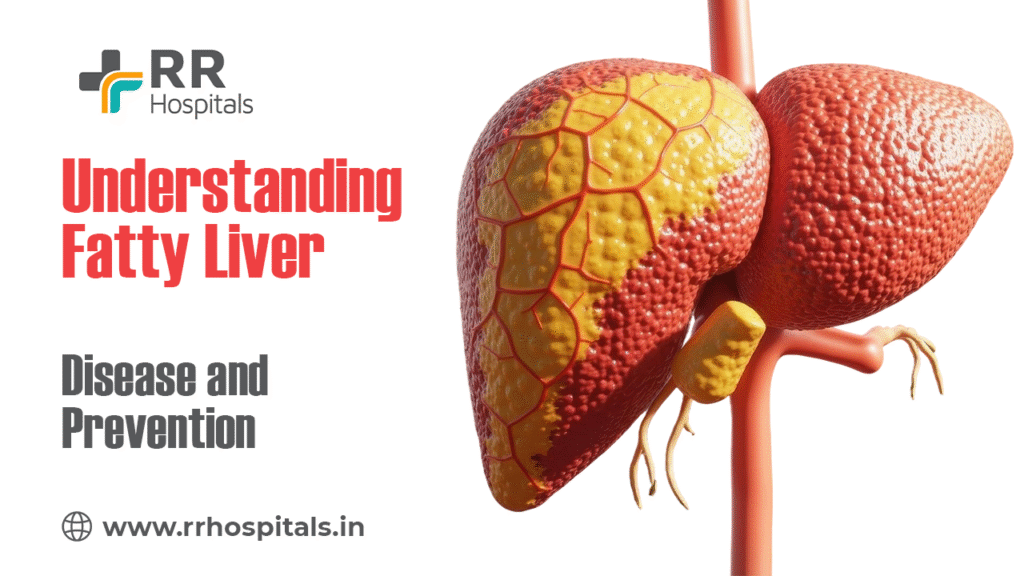
Understanding Fatty Liver Disease and Prevention
The liver is one of the body’s most important organs. It helps process nutrients, filter waste, support digestion, regulate metabolism, and maintain overall health. However, modern lifestyle patterns, changing food habits, and reduced physical activity have contributed to a growing health concern—fatty liver disease.
Many people discover they have fatty liver only during routine health checks because early stages may not cause noticeable symptoms. Understanding the condition early and adopting preventive habits may support long-term liver health.
This guide explains what fatty liver disease is, common causes, symptoms, treatment approaches, and practical prevention strategies.
What Is Fatty Liver Disease?
Fatty liver disease occurs when excess fat accumulates in liver cells.
Small amounts of fat in the liver can be normal, but excessive buildup may interfere with liver function over time.
There are two common categories:
Non-Alcoholic Fatty Liver Disease (NAFLD)
Non alcoholic fatty liver disease develops in people who consume little or no alcohol.
This type is commonly associated with:
- Excess body weight
- Insulin resistance
- Metabolic changes
- Lifestyle factors
Alcohol-Related Fatty Liver Disease
This type develops due to excessive alcohol exposure and may affect liver health over time.
Both forms involve fat accumulation but may differ in underlying causes.
Why Does Fatty Liver Disease Develop?
Understanding fatty liver causes can help identify risk factors earlier.
Several factors may contribute.
Excess Weight
Body weight changes may influence fat storage and metabolism.
Insulin Resistance
When the body processes sugar less efficiently, fat storage patterns may change.
High Cholesterol or Triglycerides
Changes in blood fat levels may affect the liver.
Sedentary Lifestyle
Reduced physical activity may contribute to metabolic changes.
Dietary Habits
Frequent intake of highly processed foods may influence liver fat accumulation.
Genetics
Family history may also play a role.
Identifying fatty liver causes can support early lifestyle improvements.
Common Fatty Liver Symptoms
One challenge with fatty liver disease is that symptoms may not appear early.
When symptoms occur, they may include:
- Fatigue
- Mild abdominal discomfort
- Feeling of fullness
- Reduced energy
- General weakness
As the condition progresses, symptoms may become more noticeable.
Recognizing fatty liver symptoms early may support timely evaluation.
Stages of Fatty Liver Disease
Fatty liver may progress gradually.
Stage 1: Simple Fat Accumulation
Fat builds in liver cells.
Stage 2: Inflammation
Inflammation may begin affecting liver tissue.
Stage 3: Fibrosis
Scar tissue may develop.
Stage 4: Advanced Liver Damage
Extensive scarring may affect liver function.
Not everyone progresses through all stages.
Early fatty liver prevention efforts may help reduce progression risk.
Who Is More Likely to Develop Fatty Liver?
Risk factors may include:
- Excess body weight
- Type 2 diabetes
- High cholesterol
- High triglycerides
- Limited physical activity
- Family history
- Increasing age
People with multiple risk factors may benefit from regular monitoring.
How Is Fatty Liver Disease Diagnosed?
Diagnosis often combines symptoms, medical history, and testing.
Possible evaluation methods include:
Physical Examination
Assessment of overall health and symptoms.
Blood Tests
May provide information about liver-related markers.
Imaging Studies
Imaging may help evaluate liver appearance.
Additional Evaluation
Further testing may be considered when needed.
Early diagnosis supports better fatty liver treatment planning.
Fatty Liver Treatment Options
Treatment strategies often focus on addressing contributing factors.
1. Lifestyle Changes
Lifestyle adjustments are frequently recommended.
Examples include:
- Balanced nutrition
- Regular activity
- Weight management
Lifestyle support remains an important part of fatty liver treatment.
2. Dietary Improvements
Nutrition habits may influence liver health.
Helpful approaches may include:
- More vegetables
- Whole foods
- Balanced portions
Diet recommendations vary by individual.
3. Physical Activity
Movement supports overall metabolic health.
Examples:
- Walking
- Cycling
- Strength training
- Regular daily activity
Exercise may support long-term fatty liver prevention.
4. Managing Related Health Conditions
Managing conditions such as:
- Blood sugar changes
- Cholesterol concerns
- Blood pressure
may support liver health.
5. Medical Monitoring
Regular follow-up may help track progress.
A personalized approach often supports effective fatty liver treatment.
Can Fatty Liver Be Reversed?
A common question is whether recovery is possible.
In some cases, especially in earlier stages:
- Liver fat may improve
- Symptoms may decrease
- Liver health may recover
Improvement often depends on:
- Consistency
- Lifestyle changes
- Overall health
- Medical guidance
Early action supports better outcomes.
Fatty Liver Prevention: Practical Steps for Daily Life
Prevention focuses on supporting healthy liver function.
Maintain Healthy Weight
Small sustainable changes may support long-term health.
Choose Balanced Meals
Focus on:
- Fruits
- Vegetables
- Whole grains
- Lean protein
Stay Physically Active
Consistent activity supports metabolism.
Reduce Highly Processed Foods
Moderation may support liver health.
Stay Hydrated
Healthy hydration supports body function.
Get Routine Health Checks
Monitoring supports early detection.
Building these habits supports fatty liver prevention.
Foods That May Support Liver Health
Food choices can influence overall wellness.
Examples often included in balanced eating patterns:
Vegetables
Provide nutrients and fiber.
Fruits
Support overall dietary quality.
Whole Grains
May support metabolic health.
Healthy Fats
Balanced fat intake may support nutrition.
Lean Protein
Supports daily dietary needs.
Diet should be individualized based on professional guidance.
Foods Often Limited in Fatty Liver Management
Some people may benefit from reducing:
- Excess added sugars
- Highly processed snacks
- Excess saturated fats
- Frequent sugary beverages
Moderation is often more sustainable than strict restriction.
Common Myths About Fatty Liver Disease
Myth: Only people with obesity get fatty liver.
Fact: Multiple factors may contribute.
Myth: Fatty liver always causes symptoms.
Fact: Early stages may have few noticeable signs.
Myth: Liver damage cannot improve.
Fact: Early intervention may support improvement.
Myth: Diet alone solves every case.
Fact: Effective care may involve multiple approaches.
Understanding facts helps support realistic expectations.
When Should You Seek Medical Advice?
Consider evaluation if you:
- Have persistent fatigue
- Notice abdominal discomfort
- Have metabolic risk factors
- Receive abnormal test results
- Have concerns about liver health
Early assessment may support more effective fatty liver treatment.
Frequently Asked Questions
What causes fatty liver disease?
Common fatty liver causes include metabolic changes, lifestyle factors, and body weight patterns.
What are early symptoms?
Early fatty liver symptoms may include fatigue and mild discomfort.
Can diet help?
Nutrition changes may support liver health.
Is non alcoholic fatty liver disease common?
Non alcoholic fatty liver disease is widely recognized and may affect many adults.
Can fatty liver be prevented?
Healthy habits may support fatty liver prevention.
Final Thoughts
Fatty liver disease is increasingly common, but awareness and prevention may support better long-term health.
Understanding fatty liver causes, recognizing fatty liver symptoms, and taking action early can help reduce risks and support recovery.
Remember these key points:
- Learn how fatty liver disease develops
- Recognize early warning signs
- Explore available fatty liver treatment options
- Understand non alcoholic fatty liver disease risk factors
- Build daily habits that support fatty liver prevention
Small, consistent changes today may contribute to healthier liver function in the future.
Don’t ignore your symptoms. Visit RR Hospitals now.
Follow us on Instagram for more updates!